Briefing · Euros Today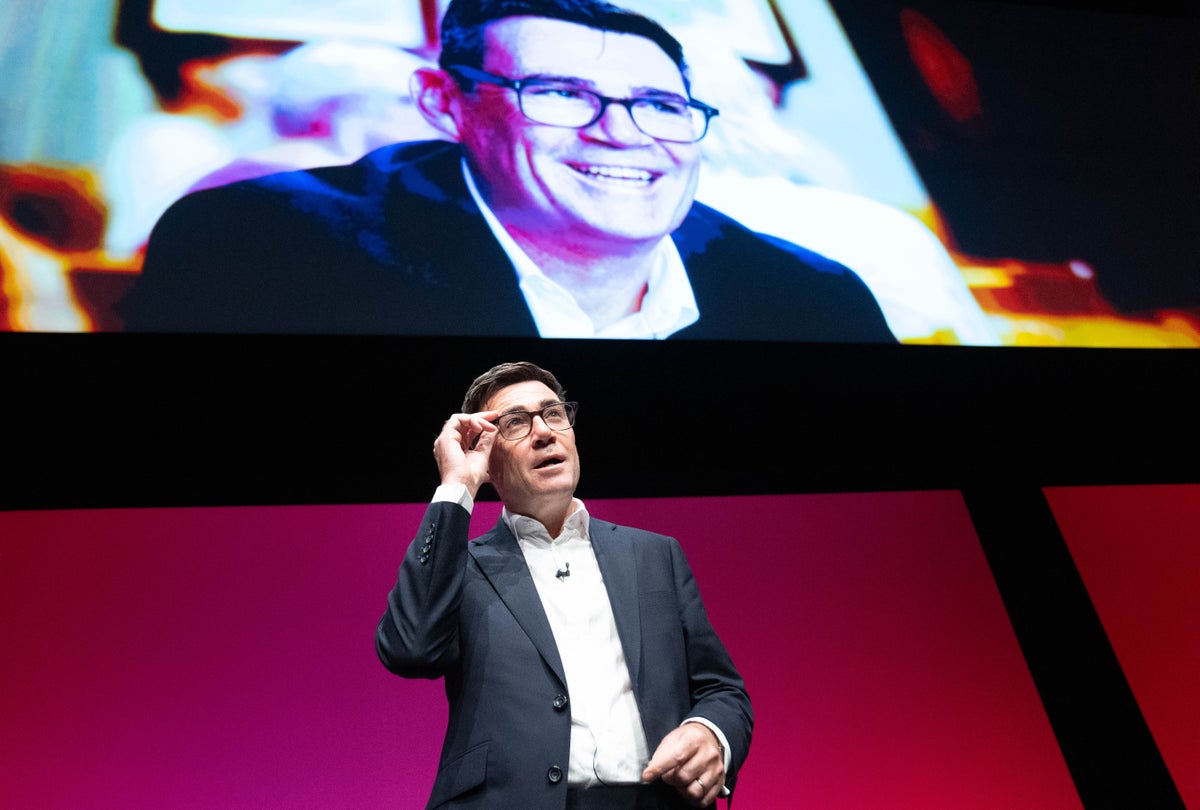
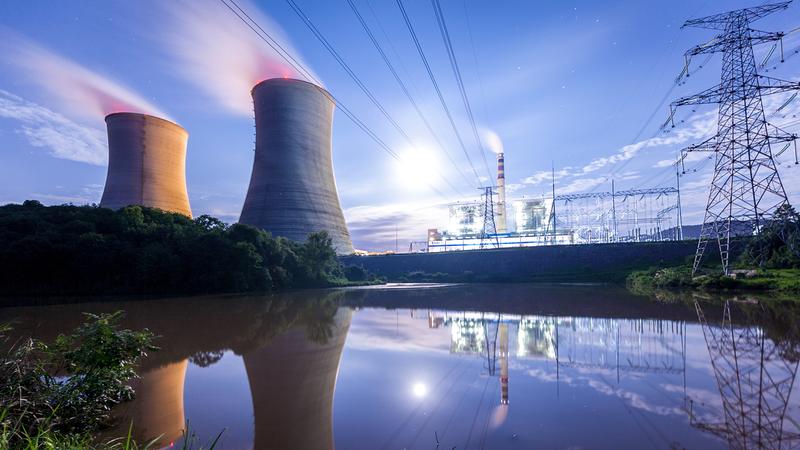
B y announcing more investment in the national grid, Andy Burnham has correctly diagnosed part of the problem of high electricity prices , but he isn’t even pretending he can bring those prices down in the next few years. In a preview of his speech today, he will say: “Within 10 years, I want our energy costs to be in line with other nations in Europe.” The problem is that switching from gas to renewable energy means building a whole new electricity grid . This is what is so expensive, and explains why wind and solar power, which is cheap to run, costs so much by the time the electricity they produce gets to people’s homes.
But the cost of investing in new grid networks and connections cannot be magicked away by announcing a new organisation. Journalists have been briefed that GB Grid, which is being set up “within” GB Energy, will be given access to a pot of £4bn that has already been allocated to GB Energy, “though it is not expected to use all of that money”. This sounds like an exercise in public sector brass-plate branding and reshuffling of existing funding.
It is an attempt to sound like nationalisation without actually changing the status of National Grid – a privately owned company that has been able to invest more in the grid over the past 36 years of “neoliberalism” than the Central Electricity Generating Board ever could have done. Labour’s press release talks of “decades of sluggish development and underinvestment in Britain’s grid”, when the opposite has been the case. The reason investment has lagged behind and the bottlenecks have occurred is the speed of the transition to wind and solar power, while the existing grid has to be maintained for the gas power stations that will be needed until 2050 and beyond even under the plans for net zero.
Burnham has wisely shied away from the cost and disruption of renationalising the grid, preferring the vague rhetoric of “more public control” instead. But the idea that setting up a new small quango-within-a-quango is going to result in “the public” having more control over the brute fact that a new electricity grid costs a lot of money is a fantasy. What does “more public control” mean, anyway?
What can GB Grid achieve that Ofgem, National Grid’s regulator, cannot? Burnham promised to change everything, but this seems very much like more of the same.
Source: The Independent